Daytime Mosquito Bites in Miami? It’s Usually Aedes — Here’s How to Control Them (2026 Guide)
Daytime Mosquito Bites in Miami? It’s Usually Aedes — Here’s How to Control Them (2026 Guide)
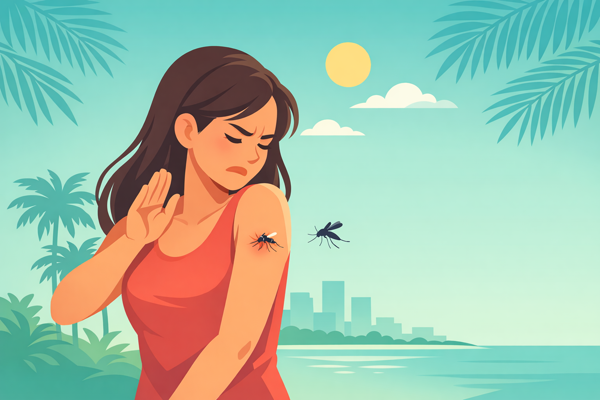
If you keep getting daytime mosquito bites in Miami, you’re not imagining it. In South Florida, daytime biting is often driven by Aedes mosquitoes (like Aedes aegypti and Aedes albopictus). They’re aggressive, they like to bite in the shade, and they can breed in tiny amounts of water you’d never think twice about.
This guide explains what’s happening in a typical Miami yard, the most common breeding sites, and the fastest steps you can take to reduce bites this week.
Quick answer: Why are mosquitoes biting during the day in Miami?
Daytime biting in Miami is usually caused by Aedes. They’re different from the “dusk and dawn” mosquitoes people expect because:
- They’re active in daylight, especially in shaded areas (hedges, under patios, near doors).
- They live close to people and often rest in dense landscaping.
- They breed fast in small containers: plant saucers, toys, tarps, gutters, clogged drains, and bromeliads.
If you want the simplest takeaway: cut the breeding sites first, then use adult control (barrier treatments) to keep the population from rebuilding.
How to tell it’s likely Aedes (vs. “night” mosquitoes)
You don’t need a microscope. These clues usually point to Aedes-driven pressure:
- Bites happen in the morning and afternoon while you’re watering plants, taking out trash, or letting the dog out.
- Bites concentrate around entry points: front door, garage, pool gate, side yard.
- You get hit in shade (under trees, behind hedges, under covered patios) more than in open sun.
- It’s worse after rain even if you don’t have obvious standing water.
The Miami problem: “micro-water” breeding sites
Miami’s rain + heat means mosquito eggs can turn into biting adults quickly. The frustrating part is that Aedes don’t need a pond. They’ll use micro-water—small, refillable containers that stay wet after a typical afternoon storm.
Top 12 breeding sites Miami homeowners miss
- Plant saucers under pots (especially on patios)
- Kids’ toys and water tables left outside
- Tarps that sag and hold pockets of water
- Clogged gutters and downspouts
- Outdoor trash/recycle bins (water trapped in lids and rims)
- AC drain lines that drip into a low spot
- Pool equipment areas (standing water behind pumps, covers, or in buckets)
- Pet bowls and forgotten water containers
- Boat covers and kayak/canoe storage
- Blocked yard drains that hold water for days
- Leaf piles that stay damp in shade
- Bromeliads and dense tropical plants that hold water in leaf cups
If you only have 10 minutes, focus on the items that refill after every rain: plant saucers, tarps, toys, and drains.
A 10-minute “daytime bites” checklist (do this after rain)
- Dump and scrub anything that holds water (scrubbing matters because eggs stick to surfaces).
- Walk the shadiest side of your house and look for puddles that linger.
- Clear gutter corners and downspouts (even a small blockage can keep water standing).
- Flip wheelbarrows and toys so they can’t collect water again.
- Check yard drains for leaf buildup.
Pro tip: Do the checklist 24 hours after rain. That’s when “micro-water” is easiest to spot.
Why daytime bites often feel worse near your front door
Aedes mosquitoes tend to hang out where people are. In many Miami homes, that means the shaded, humid areas around entrances. If you have:
- Thick hedges along a walkway
- Shaded potted plants by the entry
- Mulch beds that stay damp
…you’ve built an ideal resting zone. Trimming back vegetation and improving airflow around entry points can make a surprisingly big difference.
What actually works to reduce daytime mosquito bites (in order)
1) Source reduction (remove breeding sites)
This is the highest-leverage step. If breeding sites stay active, you’re just “chasing adults,” and the population rebuilds fast.
2) Target the resting zones (shade, underside of leaves)
Adult mosquitoes rest in protected, humid spots. If treatments (DIY or professional) don’t reach those zones, results will be inconsistent.
3) Use a consistent schedule during rainy season
In Miami’s rainy season (roughly May–October), many yards need a professional barrier treatment every 14–21 days to keep pressure down—especially near canals, dense landscaping, or high-neighbor pressure blocks.
4) Stack small advantages
- Fans on patios (mosquitoes are weak fliers)
- Fix screens and door sweeps
- Move bright lights away from seating areas at night
DIY sprays vs. professional treatments for daytime biters
DIY products can help, but Miami conditions expose the weak points fast (rain, irrigation, and fast breeding). Homeowners usually struggle with:
- Missing the real resting zones (undersides of leaves, hedge interiors)
- Uneven coverage (especially on larger lots)
- Reapplication timing (too early wastes product; too late lets populations rebound)
If you DIY, always follow the product label for safety and frequency. For most Miami homes that want reliable results through rainy season, professional barrier treatments plus source reduction coaching tends to be the most consistent approach.
Special Miami note: bromeliads, birdbaths, and “can’t dump” water
Some water sources can’t be emptied every day. In Miami, the biggest ones are bromeliads, birdbaths, and certain decorative water features. If you have them, you have two practical options:
- Maintenance: flush and refresh water on a schedule (and keep surfaces clean).
- Targeted larvicide: when used correctly, larvicides can reduce breeding in water you can’t dump. Ask a professional what’s appropriate for your specific setup.
This matters for Aedes because their eggs can persist on container surfaces and “reactivate” after rain. If you remove every obvious puddle but leave a few high-output breeding spots, daytime bites can stay stubborn.
FAQ: Daytime mosquito bites in Miami
Do citronella plants or candles help with daytime mosquitoes?
They may provide minor, short-range help, but they won’t solve a yard-wide Aedes problem. Daytime bites are usually a breeding-site and shade-habitat issue.
Is it normal to have mosquitoes in Miami year-round?
Yes. South Florida rarely gets cold enough for mosquitoes to disappear. Pressure usually peaks in the rainy season, but activity can persist through winter in shaded, humid microclimates.
What if I have no standing water?
Most Miami yards do—just not the obvious kind. Focus on “micro-water” sources like plant saucers, tarps, clogged drains, and gutters. These refill constantly after storms.
Need help getting control back?
If you want more Miami-specific guidance, start here:
CTA: If daytime bites are ruining your yard, pick a provider that will inspect your property, identify your specific breeding sites, and adjust treatment intervals around Miami weather—not a one-size-fits-all plan.
