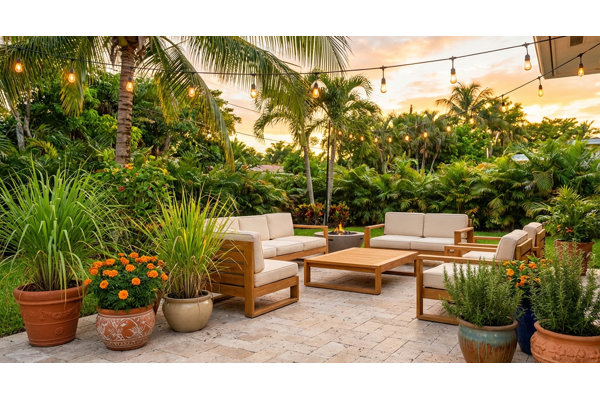
Best Mosquito-Repelling Plants for Miami Yards (And Why They're Not Enough)
Why Mosquito-Repelling Plants Alone Won't Protect Your Miami Yard
If you've searched for natural mosquito solutions, you've probably seen lists of plants that supposedly keep mosquitoes away. Citronella grass, lavender, rosemary — they all sound like the perfect addition to a Miami garden. And while these plants do have some real mosquito-deterring properties, the truth is more nuanced than most articles let on.
Here in South Florida, where we live in USDA Hardiness Zone 10b and deal with mosquitoes virtually year-round, relying on plants alone is a bit like bringing a squirt gun to a hurricane. Let's break down which plants actually work, how to use them strategically, and what else you need to truly enjoy your outdoor space this spring and summer.
The Science Behind Mosquito-Repelling Plants
Many plants produce natural compounds — essential oils, terpenes, and other volatile chemicals — that mosquitoes find unpleasant. The most well-known is citronellal, the compound found in citronella grass and lemon-scented plants. Others produce linalool (found in lavender and basil) or geraniol (found in scented geraniums).
Here's the catch: for these compounds to repel mosquitoes, they typically need to be released into the air in concentrated amounts. A potted citronella plant sitting quietly on your patio releases only trace amounts of these oils. Studies from the Journal of the American Mosquito Control Association have shown that intact plants provide minimal protection compared to extracted essential oils or professional-grade repellents.
That said, these plants aren't useless. When combined with other mosquito control strategies, they can contribute to a layered defense system for your yard.
Best Mosquito-Repelling Plants That Thrive in Miami
Not every "mosquito plant" on those viral Pinterest lists will survive Miami's heat, humidity, and heavy summer rains. Here are the ones that actually thrive in our tropical climate:
Citronella Grass (Cymbopogon nardus)
This is the real deal — not the "citronella-scented geranium" often sold at garden centers. True citronella grass grows into tall, elegant clumps that can reach 5-6 feet. It loves Miami's heat and humidity and produces high concentrations of citronellal oil. Plant it along walkways or around seating areas where brushing against it releases the fragrance. It does best in full sun with well-drained soil.
Lemongrass (Cymbopogon citratus)
A close relative of citronella grass, lemongrass is a dual-purpose powerhouse. It contains citral and geraniol — both known mosquito deterrents — and you can use it in your cooking. Lemongrass thrives in Miami's Zone 10b climate and grows year-round here. Plant it in clusters near outdoor dining areas for a subtle aromatic barrier.
Basil (Ocimum basilicum)
Basil releases its mosquito-repelling compounds without needing to be crushed, making it one of the more effective plants on this list. African basil and lemon basil varieties are particularly potent. Basil loves Miami's warm weather, though it may need some afternoon shade during peak summer. Keep it in pots near doorways and on outdoor tables.
Rosemary (Rosmarinus officinalis)
Rosemary produces camphor and 1,8-cineole, both of which mosquitoes avoid. It can be a bit finicky in Miami's humid summers — it prefers drier conditions — so plant it in well-drained containers or raised beds. A bonus: toss a few sprigs on the grill when cooking outdoors, and the smoke becomes a natural mosquito deterrent.
Marigolds (Tagetes spp.)
Marigolds contain pyrethrum, the compound used in many commercial insecticides. They're easy to grow, add gorgeous color to your garden, and thrive as annuals in Miami. Plant them as borders around patios, pools, and gardens. They also help repel aphids and whiteflies, making them great companions for vegetable gardens.
Lantana (Lantana camara)
Here's a Miami-friendly pick you might not see on other lists. Lantana is practically unkillable in South Florida — it's drought-tolerant, loves full sun, and blooms year-round. Research published in Parasitology Research has shown that lantana extract can reduce mosquito larval development. Its bright clusters of flowers also attract butterflies, adding beauty to your landscape.
Pennyroyal (Mentha pulegium)
This member of the mint family produces pulegone, a strong insect repellent. It grows well in Miami's climate as a ground cover, but a word of caution: pennyroyal is toxic if ingested by pets or humans, so keep it in areas away from children and animals.
How to Maximize Your Plant-Based Defense
If you want to get the most mosquito-repelling benefit from your garden, placement and strategy matter. Here are proven tips:
- Plant near seating and entry points. Cluster your mosquito-repelling plants around patios, outdoor dining areas, pool decks, and doorways — the places where you actually spend time.
- Create friction points. Place plants where you'll brush against them as you walk by. Physical contact releases the essential oils into the air far more effectively than passive growth.
- Use containers for flexibility. Potted herbs like basil and rosemary can be moved to wherever you need them for a specific gathering or dinner party.
- Crush and scatter leaves. Before an outdoor gathering, crush a handful of citronella or lemongrass leaves and scatter them around the seating area. This releases a burst of aromatic compounds.
- Maintain your plants. Overgrown, waterlogged planters can actually create mosquito breeding habitat. Make sure pots drain properly and saucers don't hold standing water.
Why Plants Aren't Enough for Miami Mosquito Control
Let's be real: Miami is ground zero for mosquitoes. Our tropical climate, abundant rainfall, and proximity to the Everglades mean we're dealing with over 80 mosquito species in Miami-Dade County, including Aedes aegypti — the species responsible for transmitting dengue, Zika, and chikungunya.
Mosquito-repelling plants can reduce the number of mosquitoes that linger in your immediate vicinity, but they won't:
- Eliminate breeding sites (standing water in gutters, drains, plant saucers, and low-lying areas)
- Kill mosquito larvae already developing in your yard
- Provide the kind of barrier protection needed for serious mosquito pressure
- Address the Aedes aegypti mosquitoes that bite during daytime hours
That's why the most effective approach combines natural elements with professional mosquito control. Think of it like sunscreen: plants are your hat and sunglasses, but you still need the SPF 50.
The Best Approach: Layered Mosquito Protection
At Mosquito Joe of Miami, we recommend a layered approach to mosquito control that includes:
- Source reduction: Eliminate standing water throughout your property. This is the single most impactful thing any Miami homeowner can do.
- Natural deterrents: Plant mosquito-repelling species strategically around your outdoor living spaces, as described above.
- Professional barrier treatments: Regular mosquito barrier sprays create a protective zone around your entire property, targeting adult mosquitoes and treating breeding areas that plants simply can't address.
- Personal protection: EPA-registered repellents when spending extended time outdoors, especially during dawn and dusk.
This kind of integrated approach is what actually works in a place like Miami, where mosquito pressure is among the highest in the nation. Curious how the top mosquito control options compare? Check out our guide to the best mosquito control companies in Miami to see your options side by side.
Ready to Enjoy Your Yard This Spring?
March is the perfect time to get ahead of mosquito season in Miami. Plant your garden, set up your outdoor spaces, and let the professionals handle the heavy lifting on mosquito control.
Schedule your free quote with Mosquito Joe of Miami today and find out how our barrier treatment program can keep your yard mosquito-free all season long. Our treatments are effective, family- and pet-friendly, and backed by our satisfaction guarantee.
Your backyard barbecue deserves better than a cloud of mosquitoes — and so do you. 🌿
