Mosquitoes After Rain in Miami: 7 Yard Checks to Stop Bites Fast
In Miami, one afternoon storm can turn a quiet backyard into a mosquito problem by the weekend. If you notice more bites after heavy rain, you are not imagining it. Rain fills tiny containers, shaded plant areas stay damp, and mosquitoes get fresh places to lay eggs around patios, side yards, docks, and landscaping.
The good news: you do not need to drain a lake to make a difference. In many Miami yards, the biggest mosquito sources are small, easy-to-miss pockets of water. Use this checklist after rain to reduce breeding sites and make your outdoor space more comfortable.
Why mosquitoes get worse after rain in Miami
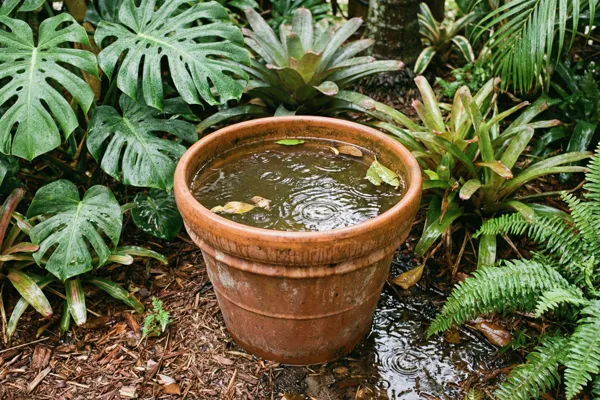
Mosquitoes need standing water to reproduce. After rain, water can collect in places that do not look like a “mosquito habitat” at first glance: a saucer under a pot, a folded tarp, a clogged gutter, a hollow fence post, a low spot in a bromeliad, or a kids’ toy left outside.
Miami’s warm weather speeds everything up. When conditions are right, mosquito populations can build quickly because eggs and larvae develop in water before adult mosquitoes emerge. That is why a yard can feel fine one week and miserable the next, especially during rainy season.
1. Dump plant saucers, buckets, toys, and small containers
Start with the obvious containers, then look for the hidden ones. Walk the yard slowly and empty anything holding water:
- Plant saucers and decorative pots
- Buckets, watering cans, and bins
- Kids’ toys, pool toys, and sports equipment
- Trash can lids and recycling containers
- Grill covers, tarps, and folded outdoor covers
If an item keeps collecting rainwater, store it upside down or move it under cover. This is one of the fastest ways to reduce mosquitoes after rain in Miami.
2. Check bromeliads and dense tropical plants
South Florida landscaping is beautiful, but some plants naturally hold water. Bromeliads, thick ground cover, and shaded tropical plantings can create protected mosquito pockets close to the areas where people sit.
Flush water-holding plants regularly, thin overgrown areas where practical, and pay attention to plants near doors, patios, grills, and play areas. If bites are concentrated near landscaping, the source may be closer than you think.
3. Clear gutters and roofline drainage
Clogged gutters are easy to ignore because the water is above eye level. After a storm, though, leaves and debris can trap water along the roofline. That creates a breeding area and keeps the perimeter of the home damp.
Look for overflowing gutters, dark streaks, sagging sections, or water dripping long after the rain stops. If you cannot safely inspect or clean gutters, hire a pro. The mosquito benefit is worth it, and it helps protect the house too.
4. Inspect drains, low spots, and side yards
Miami yards often have tight side setbacks, pavers, turf patches, and drainage areas that hold water after strong rain. Walk the property 12 to 24 hours after a storm and look for puddles that linger.
Pay special attention to:
- AC drain areas
- French drains and catch basins
- Low spots along fences
- Paver dips and patio edges
- Boat, trailer, or equipment storage areas
Short-term puddles are normal. Water that remains for days deserves attention.
5. Refresh birdbaths, fountains, and pet bowls
Any intentional water feature needs a routine. Birdbaths and pet bowls should be emptied, rinsed, and refilled frequently. Fountains should keep water moving and be cleaned if debris blocks circulation.
If you have a decorative water feature that is not running consistently, treat it as standing water until it is repaired. Mosquitoes do not care whether the container is decorative or accidental.
6. Tidy shaded patio zones
Adult mosquitoes rest in cool, shaded, humid spots during the day. That is why bites often feel worse near patio furniture, hedges, storage corners, and covered areas.
Trim back vegetation where it touches sitting areas, improve airflow around the patio, and remove damp clutter. The goal is not to strip the yard bare. It is to reduce the protected zones where mosquitoes hide before feeding.
7. Watch for daytime bites
If you are getting bitten during the day, especially around ankles and legs, container-breeding mosquitoes may be involved. These mosquitoes often stay close to the property where they hatched, so removing small water sources can have a noticeable impact.
Evening bites can be a different pattern, especially near canals, mangroves, dense vegetation, or neighboring properties. Either way, a post-rain yard inspection is the right first move.
When DIY checks are not enough
Some yards need more than dumping water. If you have heavy landscaping, recurring puddles, neighboring breeding sources, or mosquitoes returning a few days after every storm, professional mosquito control can help reduce adult mosquitoes and identify problem areas you may be missing.
At Mosquito Joe of Miami, we treat Miami-Dade yards every week and know the local patterns: rainy afternoons, shaded tropical landscaping, outdoor kitchens, patios, pools, and waterfront properties. A consistent mosquito control plan works best when it combines source reduction with targeted treatments around the places mosquitoes rest.
Quick post-rain mosquito checklist
- Dump small containers within 24 hours after rain
- Flush water-holding plants
- Check gutters and roofline drainage
- Look for side-yard puddles and clogged drains
- Refresh birdbaths, fountains, and pet bowls
- Clear damp clutter around patios and storage areas
- Call for help if bites return after every storm
If mosquitoes after rain are keeping you from enjoying your Miami yard, Mosquito Joe of Miami can help. Request a quote and we will help you build a plan for fewer bites and more comfortable time outside.
